
Introducing Memory Gardens
Your memories,
cultivated to improve
cognitive strength
Memory Gardens turns your memories (photos, places visited, books read, events shared) into casual games, played solo or with others, that quietly strengthen your cognitive reserves.
Why it works
Memory palaces store.
Memory gardens grow.
Most brain-training apps tend to train a single skill in isolation based on generic content and scenarios. The science says cognitive strength doesn't work that way. It requires training multiple pathways to the same information, repeatedly traversed and emotionally anchored.
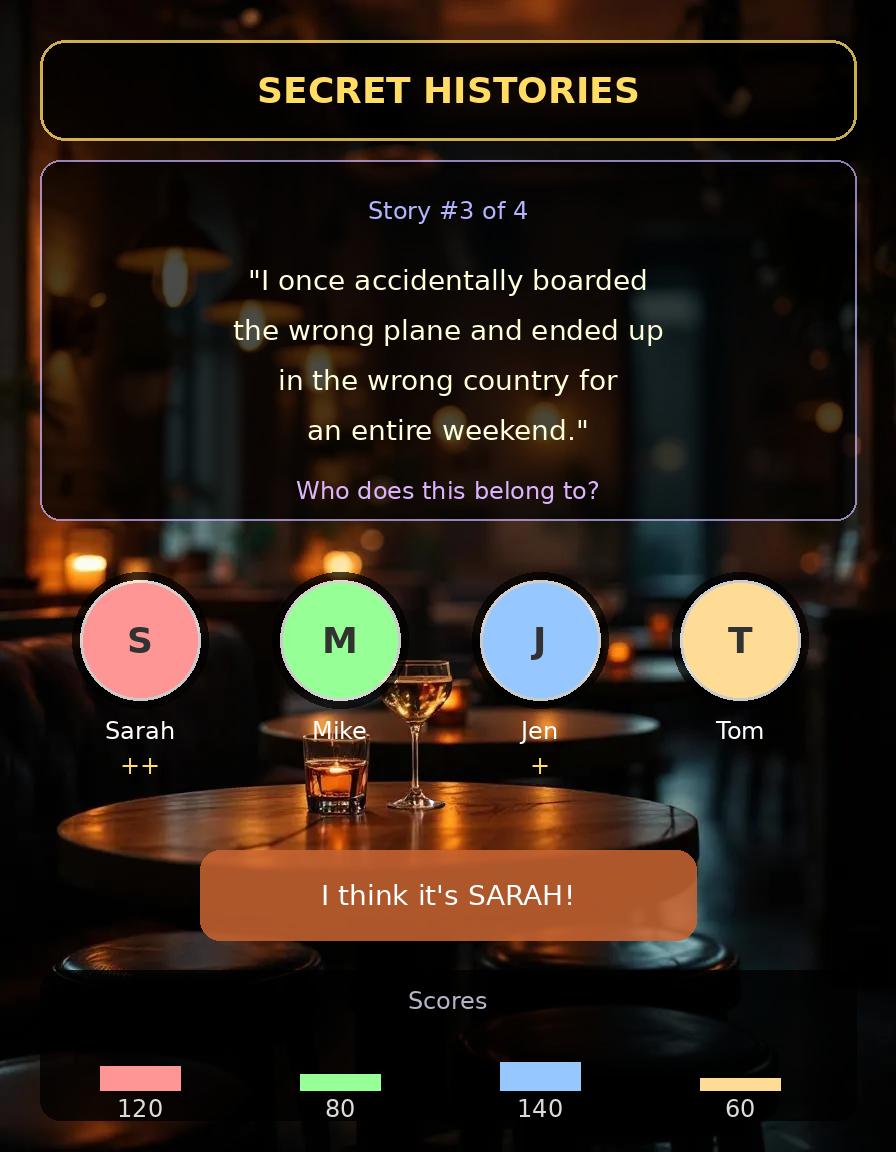
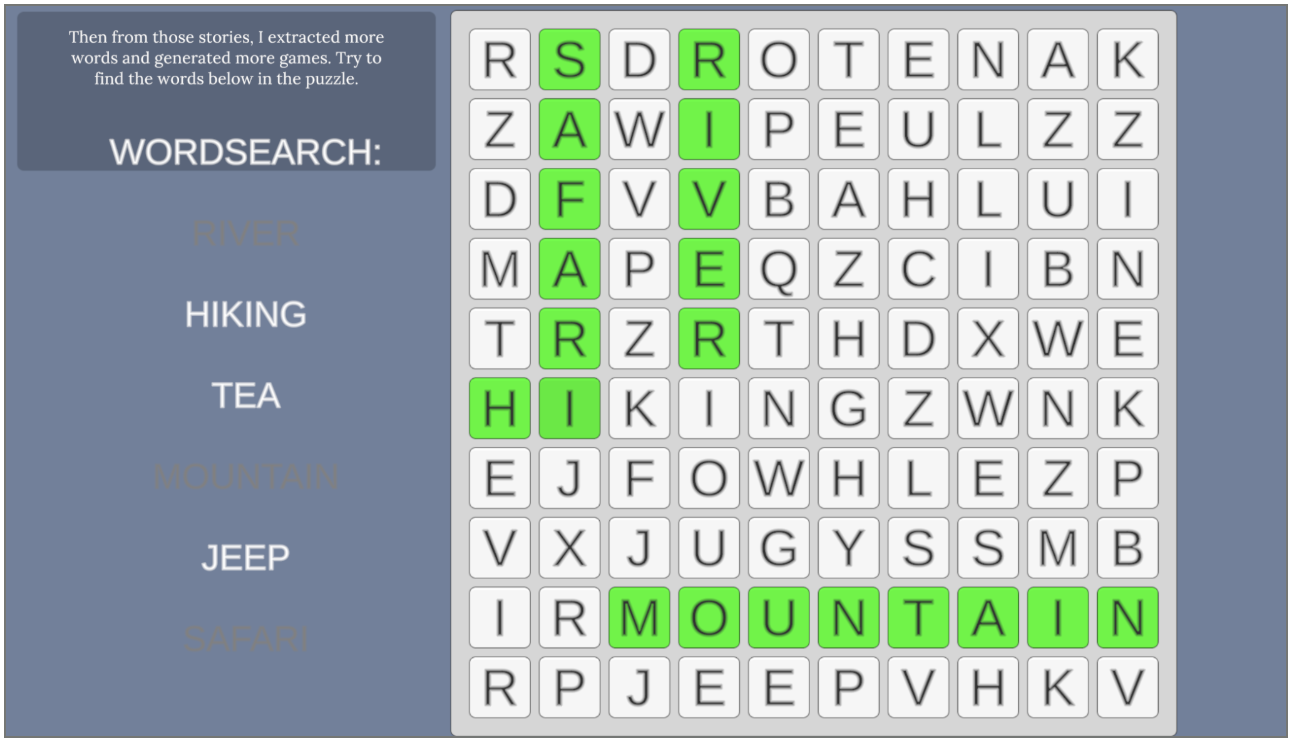
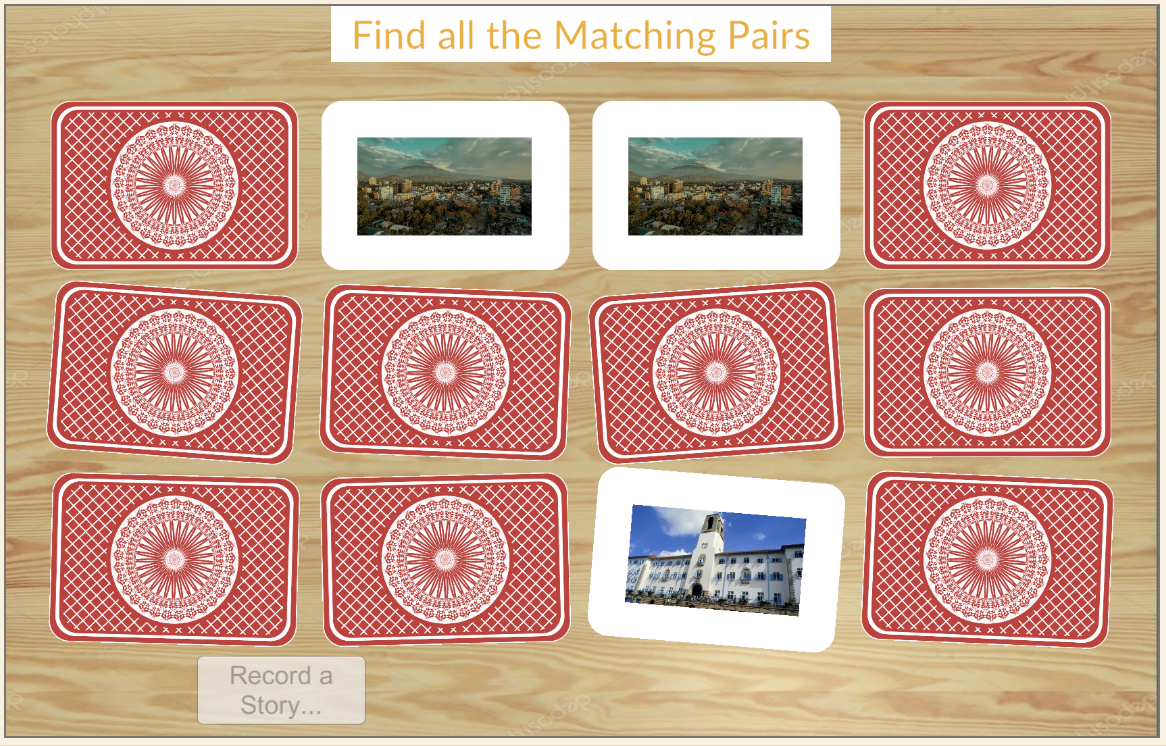
Memory Gardens generates personalized games from the things that already matter to you. Cities you've visited become a crossword. A book you read becomes part of a word search. Your friends' shared stories become a guessing game.
It isn't repetition. It's reconsolidation, returning to a memory, reshaping it, and laying down new neural roads alongside the old ones.
Personal
Games are generated from your own memories (places, people, books, work). Under your control, on your terms.
Emotional
Memory, learning, and recall are all rooted in emotion. Anchoring to personal meaning creates durable pathways.
Social
Multiplayer modes turn family histories and friend groups into shared play, countering loneliness and isolation.
The Garden
Endless games,
grown from a single memory
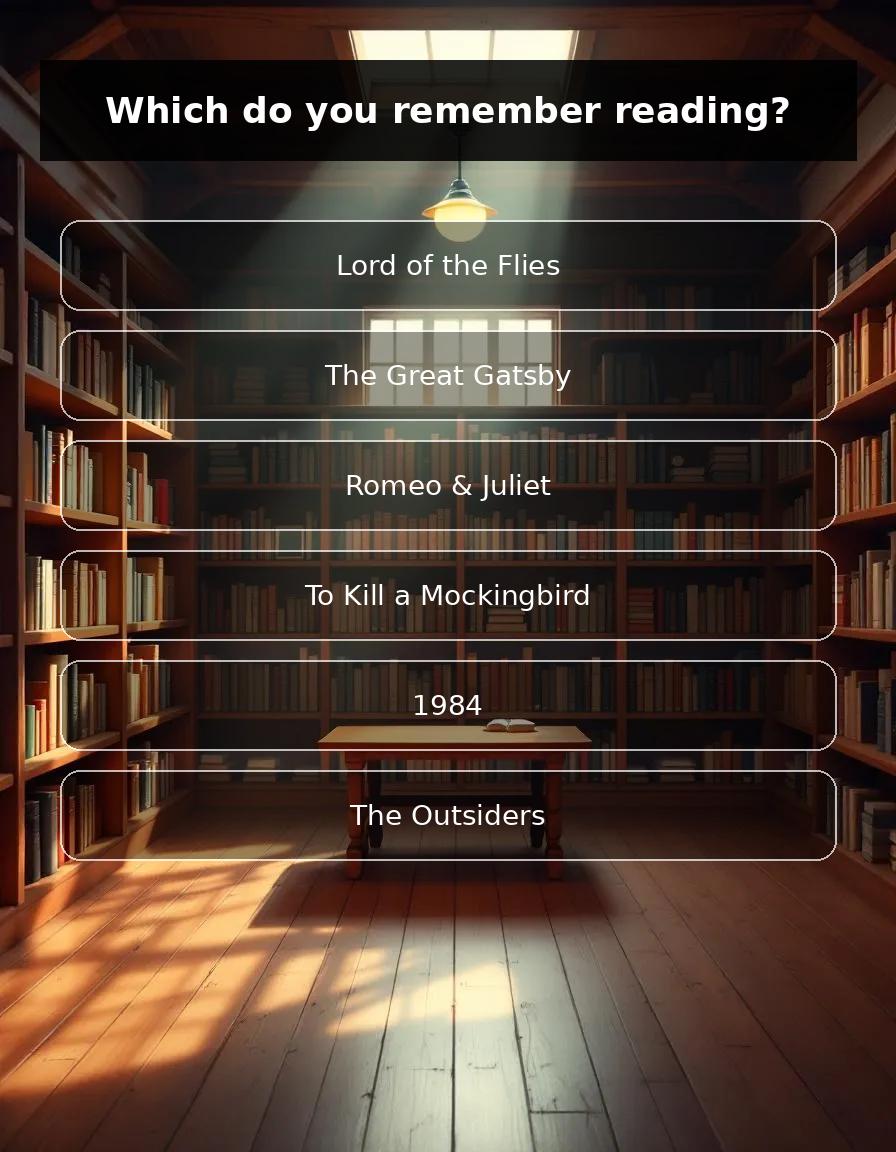
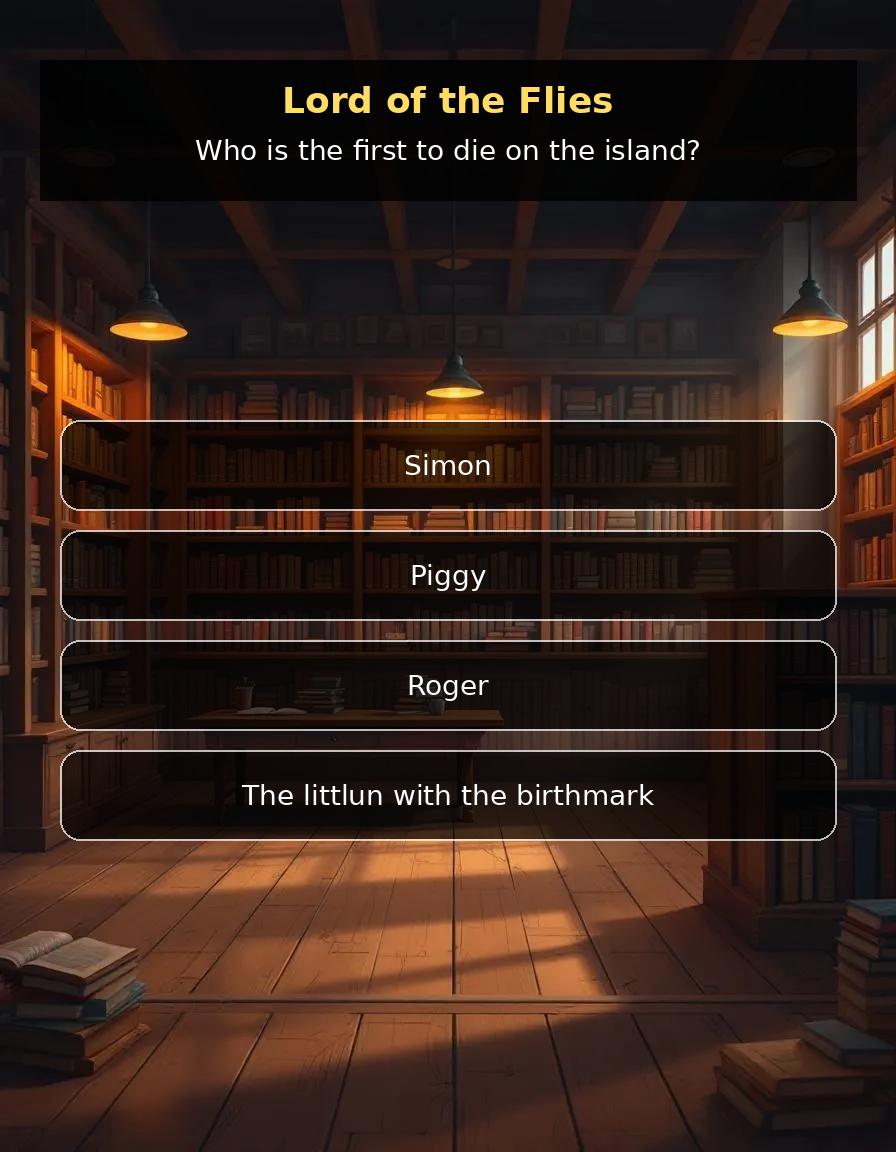
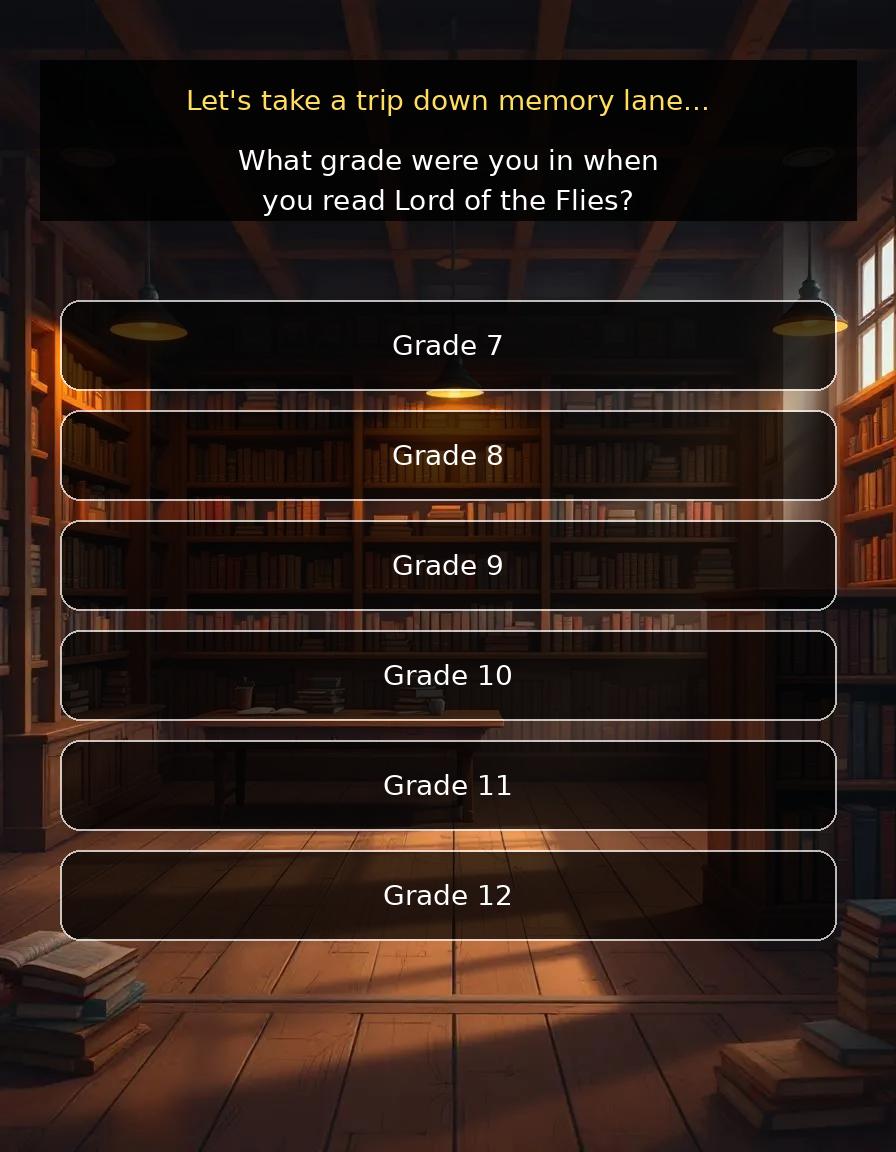
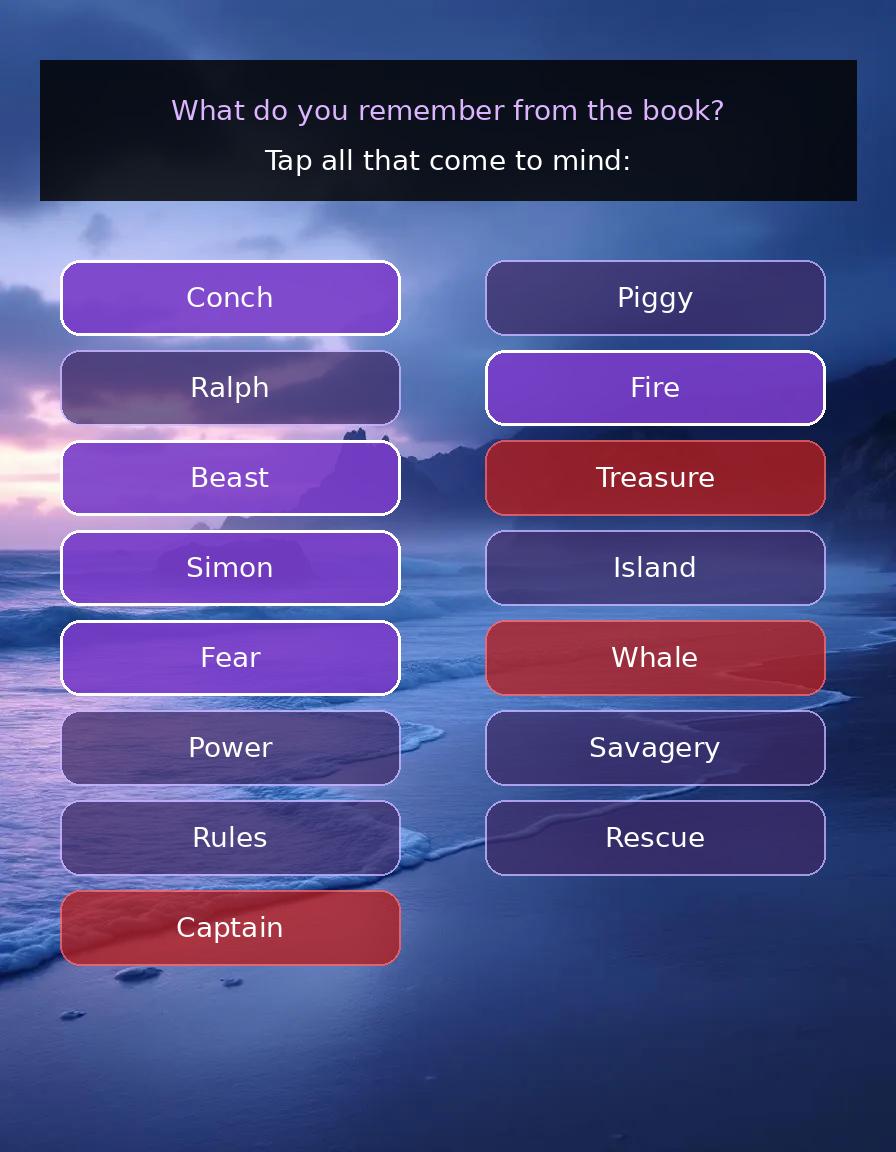
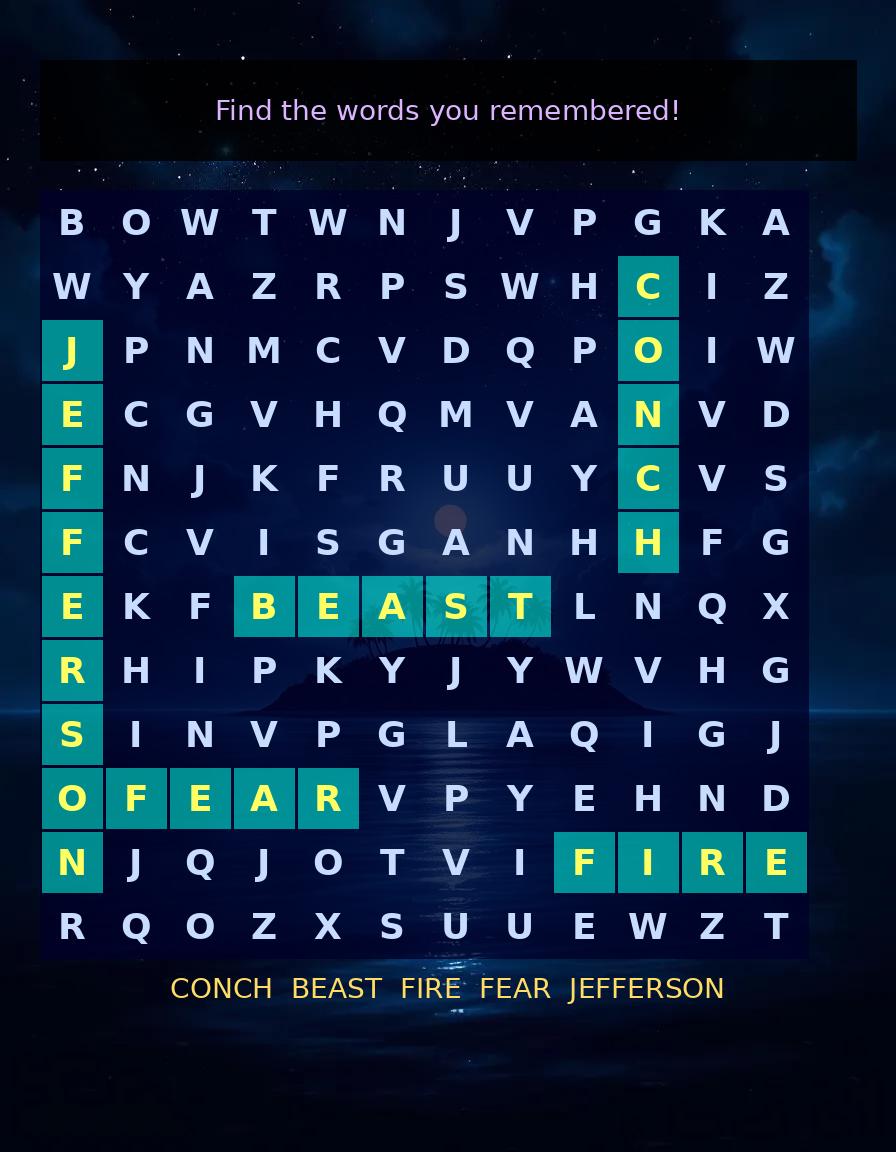
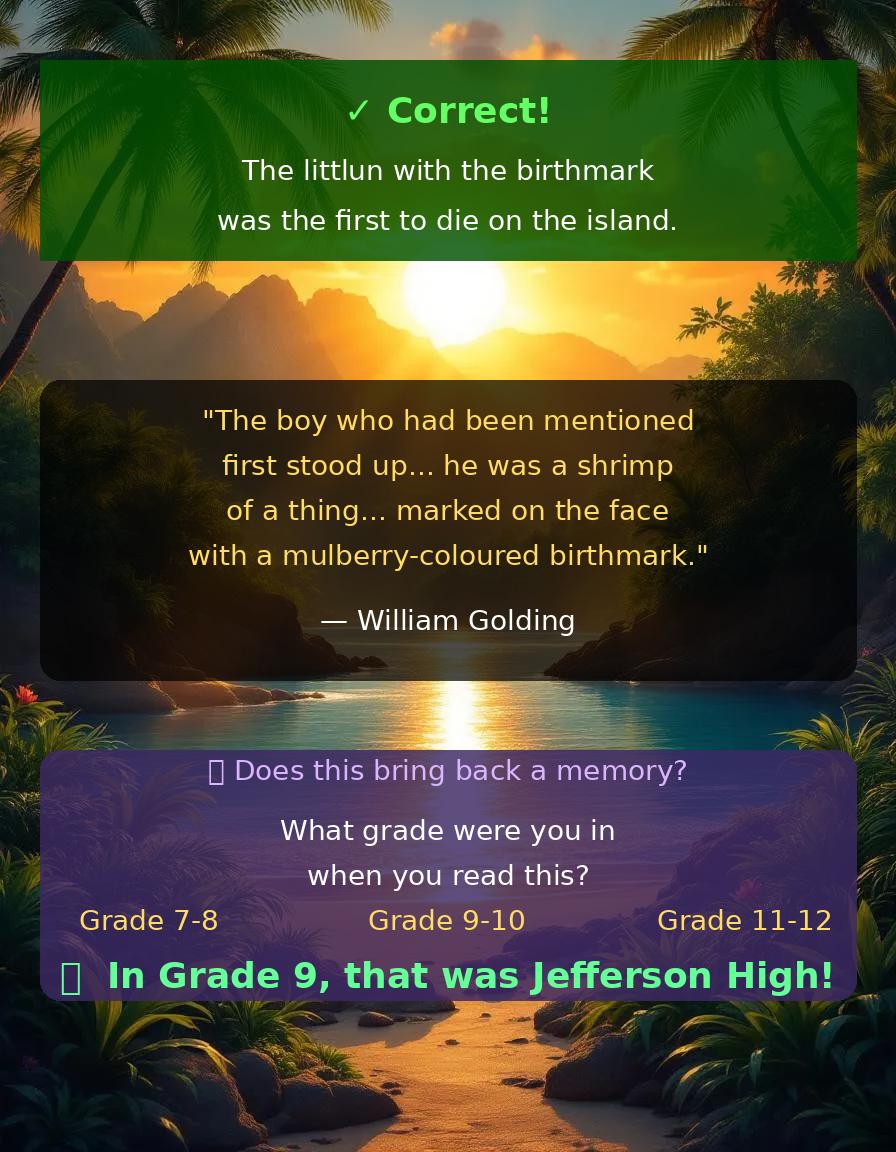
One conversation about Lord of the Flies, a book read in 9th grade, generates a quiz, a word search, or a thread that pulls in old classmates.
Generator
Describe it ·
we build it
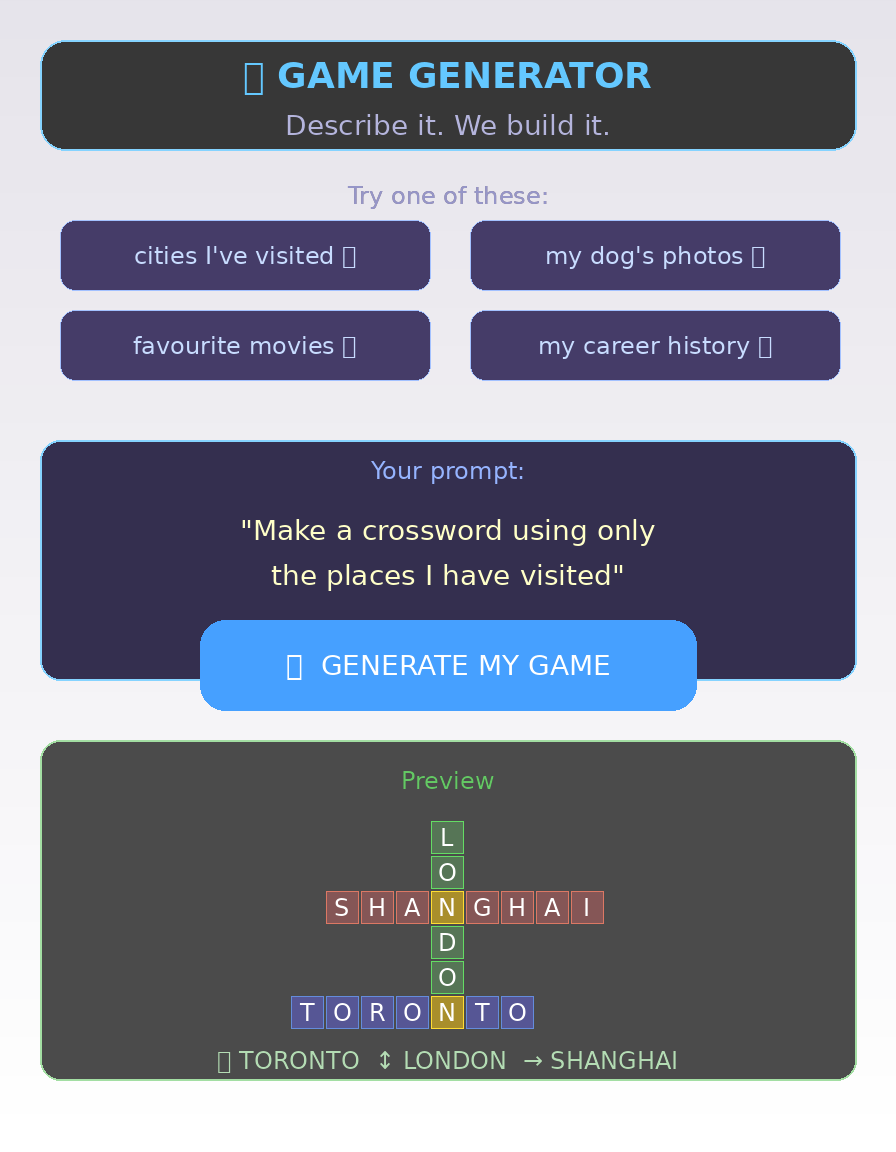
Cities I've visited. My dog's photos. My career history. Anything that holds meaning becomes a casual game in seconds. Playable solo, or sent to friends and family on the channels they already use.
Harvard Medical School
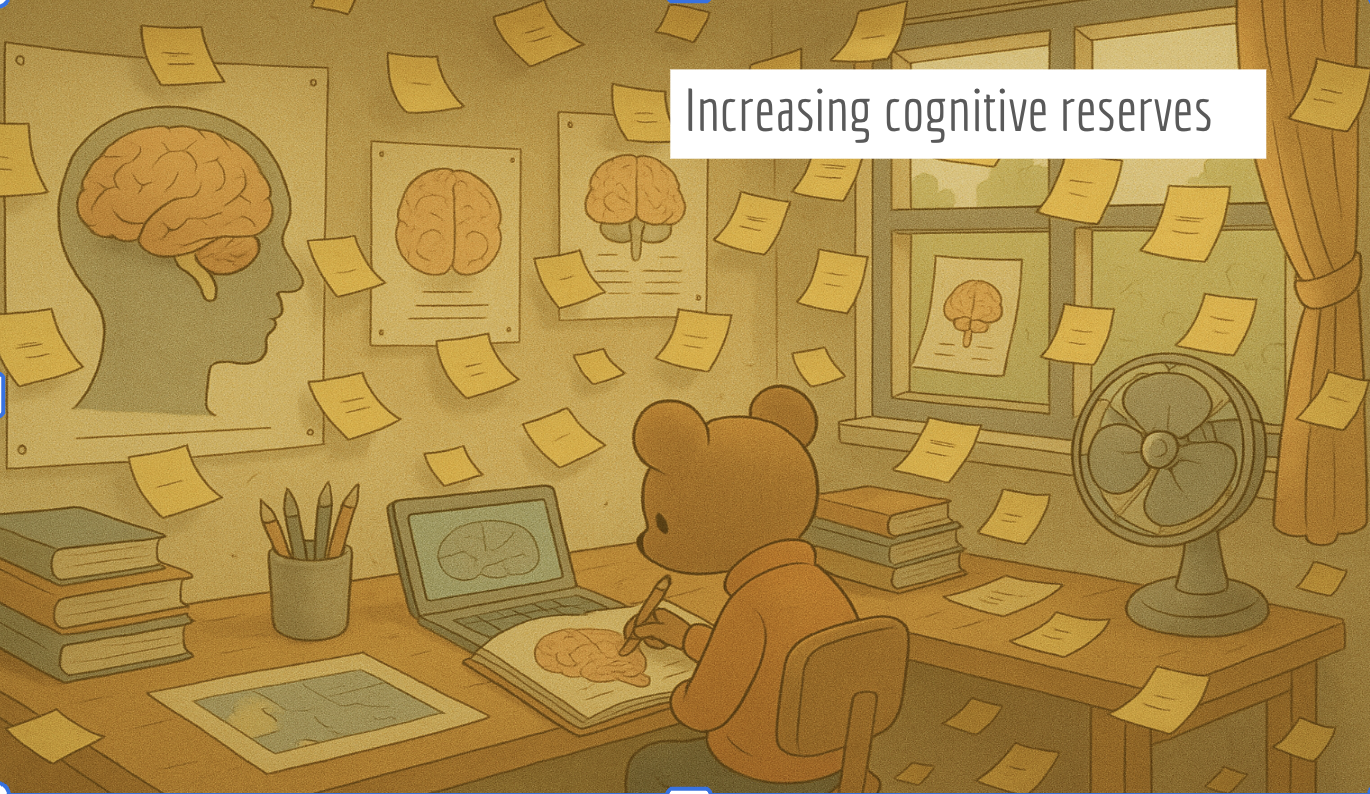
“Cognitive reserve is your brain's ability to improvise and find alternate ways of getting a job done.”
Think of the brain as hardware and cognitive reserve as the software that knows how to get from one part of the brain to another. More reserve means more pathways to the same information, and increasing resilience as we age.
Be Early
Stay updated
We're opening early access by invite only. Leave your email to stay in the loop and to receive an invite when we have space for more gardens.
Partnerships
Want to partner?
We're cultivating the first Memory Gardens with select partners publishers, senior-living groups, and platforms exploring casual interactive play.